The 5 Biggest Mistakes New Cruise Managers Make (And How to Avoid Them)
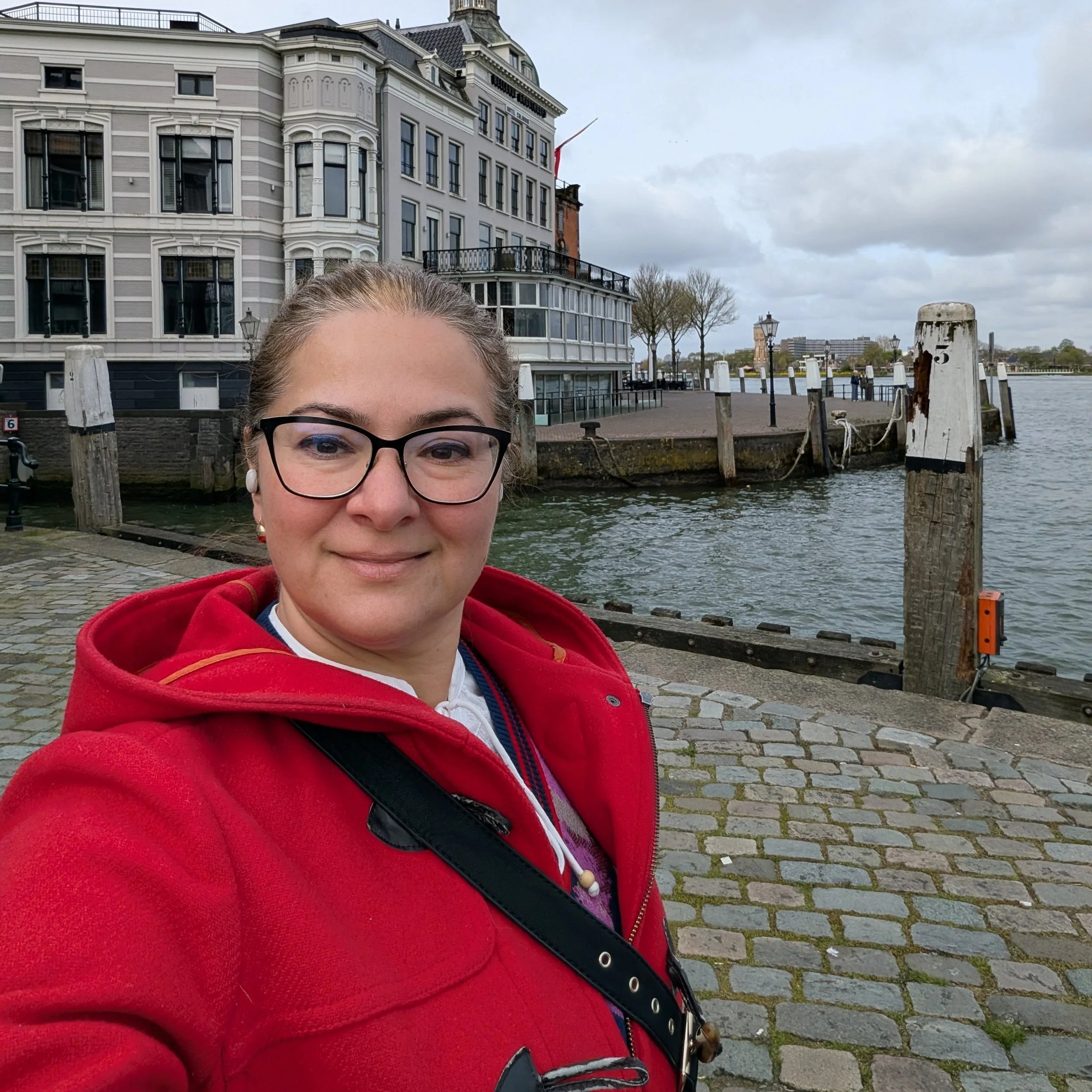
I made all of these mistakes.
Some of them nearly got me fired. One of them made a guest cry — and not happy tears.
I'm telling you this because the people who reach out to me before their first contract almost always ask the wrong question. They ask: "What do I need to know?"
The better question is: "What am I going to get wrong — and how do I get it wrong somewhere safe, before it costs me my reputation?"
After 25 years managing river cruises across Europe and training 130+ Cruise Managers, Cruise Directors, and Program Directors, I've watched the same five mistakes appear across every background, every nationality, every level of hospitality experience.
These aren't failures of character. They're predictable gaps between the hotel mindset you've spent years building — and the cruise leadership mindset this role actually requires.
Knowing them before your first contract is half the preparation.
Mistake 1: Trying to Know Everything
My first cruise, I carried 10 kilograms of books.
History of every port. Architecture guides. Wine regions. Local legends. I was determined to have an answer for every possible question.
A guest pointed to a church we were passing. I launched into a ten-minute explanation of Gothic architecture, medieval construction techniques, and religious symbolism across the Danube region.
He just wanted to know if we were stopping there.
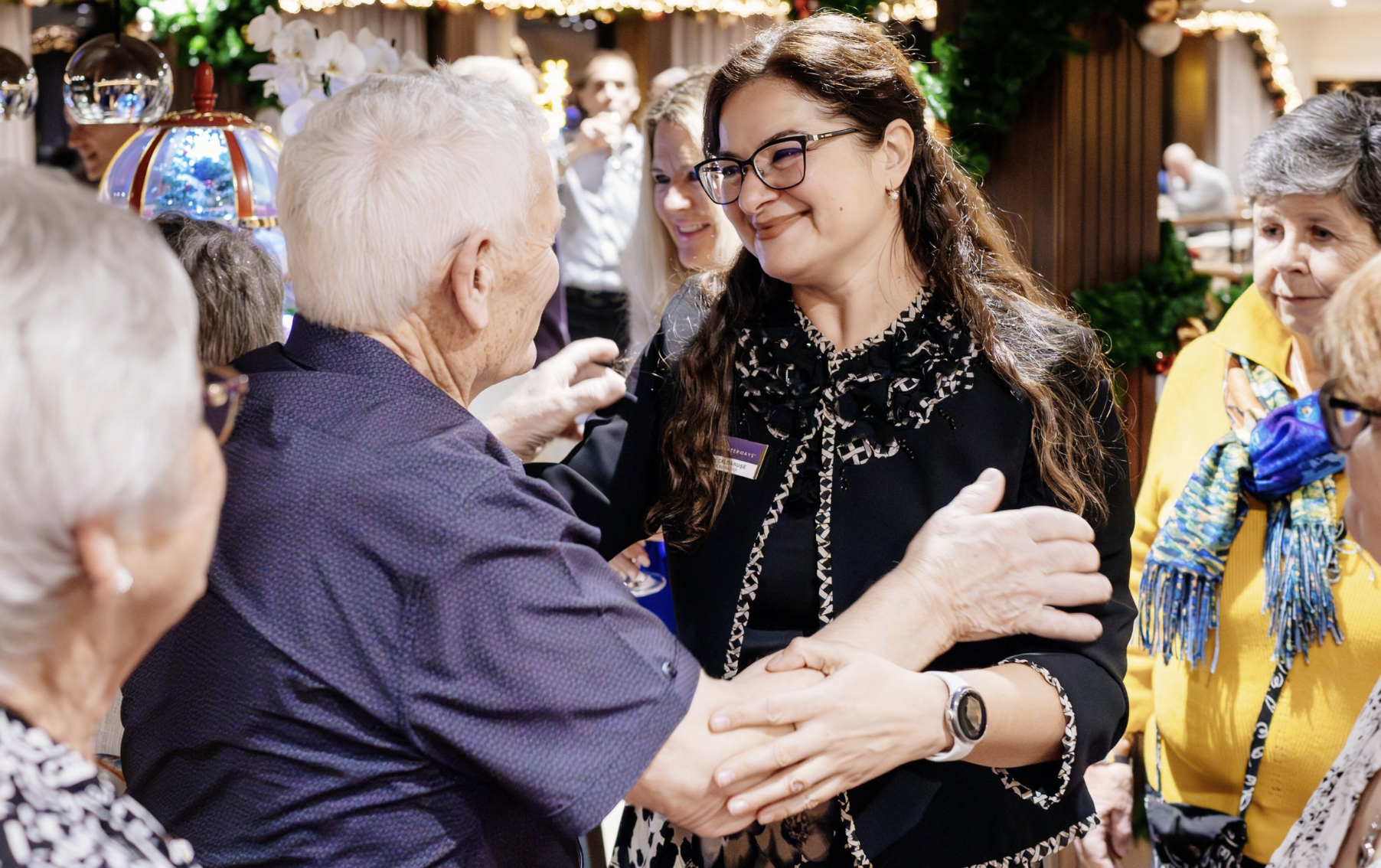
The instinct to over-prepare is understandable — especially for hospitality professionals who have built careers on having answers. But guests don't want a professor. They want a guide who makes them feel seen and cared for.
THE LESSON: Connection beats information. Every time.
How to avoid it:
Learn the answers to the 20 most common questions deeply and personally
For everything else: "Great question — let me find out for you by this evening"
Focus on making guests feel heard, not impressed
Your personal story about a place will always land better than facts about it
Mistake 2: Hiding Problems Instead of Solving Them
A bus was late. Forty-five minutes late. Forty guests were waiting on a dock in the August heat.
My instinct was to say nothing. Maybe they wouldn't notice. Maybe I could stall with a long welcome speech and they'd be distracted. Maybe the bus would arrive before anyone got too frustrated.
They noticed. They always notice.
By the time the bus arrived, guests were not angry about the delay. They were angry about feeling uninformed and disrespected. The forty-five minutes was forgivable. The silence was not.
Transparency builds trust. Hiding problems destroys it. And in this industry, trust is the only currency that matters.
THE LESSON: Communicate early and honestly — especially when you don't yet have a solution.

How to avoid it:
Acknowledge immediately: "Our bus is delayed approximately 30 minutes. I'm sorry and I'm on it."
Tell guests what you're doing: "I've arranged water and shade while we wait"
Under-promise, over-deliver: if you think 30 minutes, say 45
Turn waiting time into value: impromptu Q&A, local stories, a spontaneous tasting
Mistake 3: Treating Every Guest the Same
I used to give the same welcome speech to everyone. The same dining recommendations. The same excursion briefing.
Then I met the Hendersons.
Third-time cruisers. They had done every excursion, eaten at every restaurant I recommended, heard every story I told. They were already bored before we left Budapest. Meanwhile, first-time cruisers in the same room were overwhelmed with too much information at once.
One speech. Two completely different experiences of it. Both failures.
So I changed my approach with the Hendersons entirely. Instead of the standard Passau recommendations, I told them about a small family winery fifteen minutes outside the town — no sign on the gate, no online presence, just a doorbell and a woman named Ingrid who has been making Riesling the same way since 1974. They came back to the ship that evening having had what they called the best afternoon of any cruise they had ever taken.
That is the insider knowledge guests cannot Google. That is what personalisation actually means in this role.
THE LESSON: Personalisation is not a bonus. It is the job. First-timers need the essentials. Repeat guests need the secrets.

How to avoid it:
Review guest profiles before embarkation: repeat cruisers, celebrations, special needs
Ask early: "What are you most looking forward to on this cruise?"
Keep a private list of hidden gems at each port — the places that cannot be found in any guidebook
Remember details and use them: "Mr. Henderson, I think I've found exactly the right afternoon for you"
This is a learnable skill. But it requires letting go of the idea that there is one correct way to be a Cruise Manager. There is the right way for this guest, right now. That is the only standard that counts.
Mistake 4: Neglecting the Crew Relationship
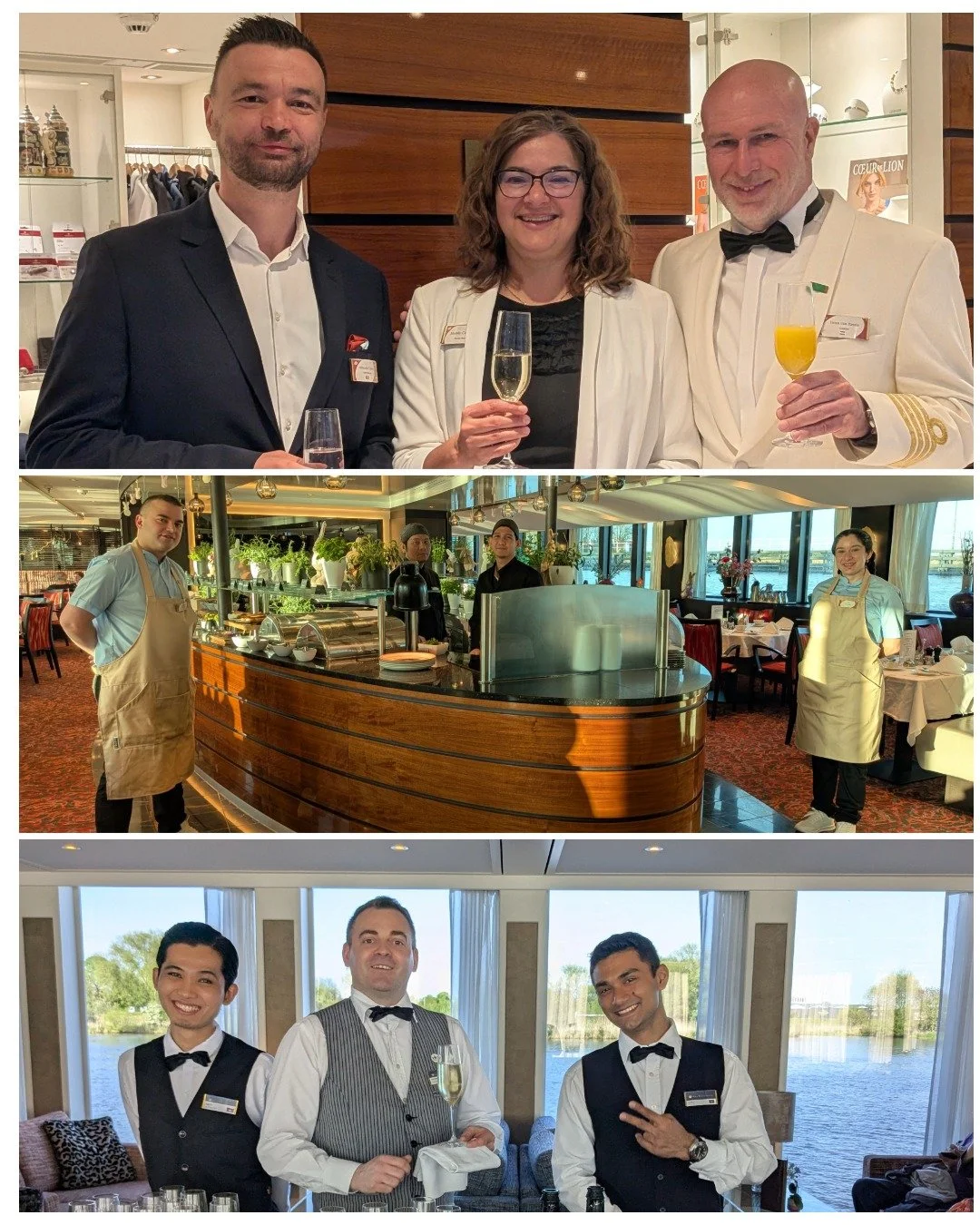
New Cruise Managers almost always focus entirely on guest experience in their first weeks. They treat the crew as a service infrastructure — the people who deliver what needs delivering — rather than as colleagues whose buy-in directly shapes every outcome guests experience.
Here is what I learned, slowly and sometimes painfully:
The chef who receives a genuine thank-you after a difficult dinner service will do something extraordinary for your anniversary couple that no management directive could ever produce. The room steward who knows you notice her work will notice yours. The captain who respects you treats you as a partner rather than a passenger with a title.
Crew relationships are built in the small moments. The morning greeting that is not performative. The genuine question about how someone is doing. The public acknowledgment of good work in front of others. These cost nothing and return everything.
THE LESSON: Your crew's experience becomes your guests' experience. There is no separation between the two.
How to avoid it:
Learn every crew member's name in your first week — and pronounce it correctly
Public praise, private criticism. No exceptions, no matter how tired you are
Eat with your crew sometimes. The crew mess tells you the truth about how the ship is really running
Fight for your team when head office makes unreasonable demands. They will run through walls for you
⛵ PRO TIP: How to Build the Captain Relationship
The Captain is the ultimate authority on any vessel — legally, operationally, and culturally. This relationship makes or breaks your first season. Here is what 25 years taught me:
Never surprise them.Inform the Captain early about anything unusual — a difficult guest, a delayed vendor, a crew concern. Captains hate surprises far more than problems.
Bring solutions, not just problems.When you flag an issue, arrive with at least one proposed resolution. It shows judgment, not just awareness.
Respect the bridge.The wheelhouse is their domain. Never enter without invitation or genuine necessity, and always leave quickly.
Make them look good to guests.Introduce them with warmth and genuine respect during social moments. That public acknowledgment is remembered.
Ask for their opinion early.Not on everything — but on something real. Captains who feel consulted become allies. Captains who feel bypassed become obstacles.
The Captain's respect is not given automatically. It is earned through consistency, professionalism, and the quiet signal that you understand the hierarchy — and work within it rather than against it.
Preparing for your first contract and wondering how to navigate crew and Captain dynamics from day one? This is exactly what the Academy trains: rivercruisementor.com
Mistake 5: Suppressing Your Own Personality to Seem "Professional"

This one is counterintuitive. And it is the mistake that does the most long-term damage.
A guest once told me my welcome speech was "the worst she had ever heard."
I spent three days replaying it. Second-guessing every word. Avoiding her at meals. Trying to figure out what the "correct" version of a Cruise Manager sounded like so that nobody could ever say that again.
Later I learned she had received devastating news from home the morning we boarded. Her criticism had nothing to do with my welcome speech. It had everything to do with where she was that day.
But the instinct her words triggered — to smooth myself out, to find a safe and standard persona that no one could criticise — that instinct is one I see in almost every new Cruise Manager who comes through the Academy.
Your accent. Your sense of humour. Your particular warmth. The specific way you tell a story. These are not things to manage or minimise. They are your most valuable professional assets.
The Cruise Managers guests remember and return for are never the ones who disappeared into a standard service persona. They are the ones who showed up as themselves — consistently, generously, with all their specificity — and made guests feel they were encountering a real person who genuinely cared.
THE LESSON: Vulnerability is not weakness in this role. It is the superpower. The Cruise Managers guests love are not the perfect ones. They are the real ones.
How to avoid it:
Separate guest feedback about your performance from judgements about your worth
Remember: hurt people hurt people. Compassion is your shield, not a thicker skin
Celebrate the 95% who connect with you; don't reshape yourself around the 5% who don't
Process criticism privately and professionally, then let it go completely
Ready to avoid these mistakes before your first contract?
Register for the free webinar:"5 Traits of a Highly Successful River Cruise Leader"
Book a free 30-min 1-1 call with me directly

Maddy Căldărușe
Founder, RiverCruiseMentor.com