Most People Think This Job Is About Microphones. It Isn’t.
By Maddy Caldaruse | 25 years on European rivers | 130+ cruise managers trained
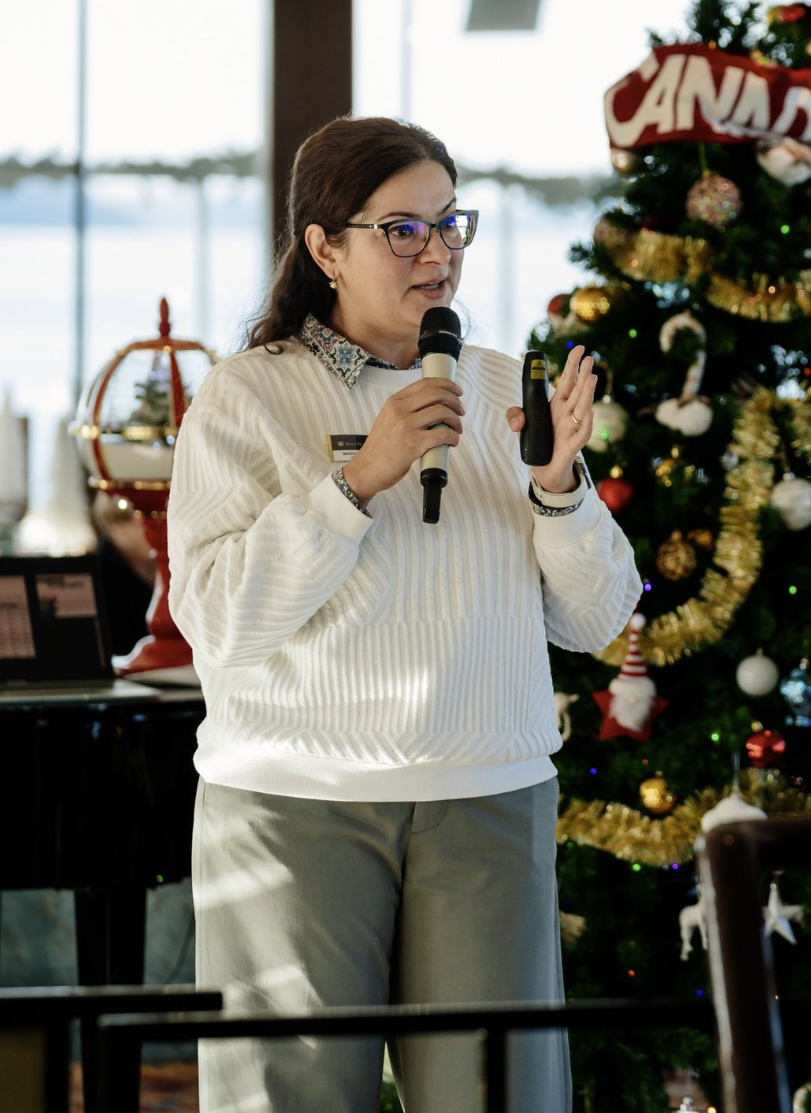
Most people think the job is about microphones and port talks.
It’s not.
It’s about energy. Awareness. Timing. And caring about people — especially when no one is watching.
I know this because I’ve spent 25 years doing it on European rivers. And I’ve spent 13 of those years training others to do it — more than 130 people, from hotel receptionists in Budapest to tour guides in Belgrade, all of whom made the transition into river cruise leadership.
The number one thing every single one of them said before they started:
“I thought it was basically a hosting job. Microphone in hand, smile for the guests, read the port schedule.”
The number one thing they said after their first week onboard:
“I thought it was basically a hosting job. Microphone in hand, smile for the guests, read the port schedule.”
If You’ve Hit the Ceiling in Hospitality, Keep Reading
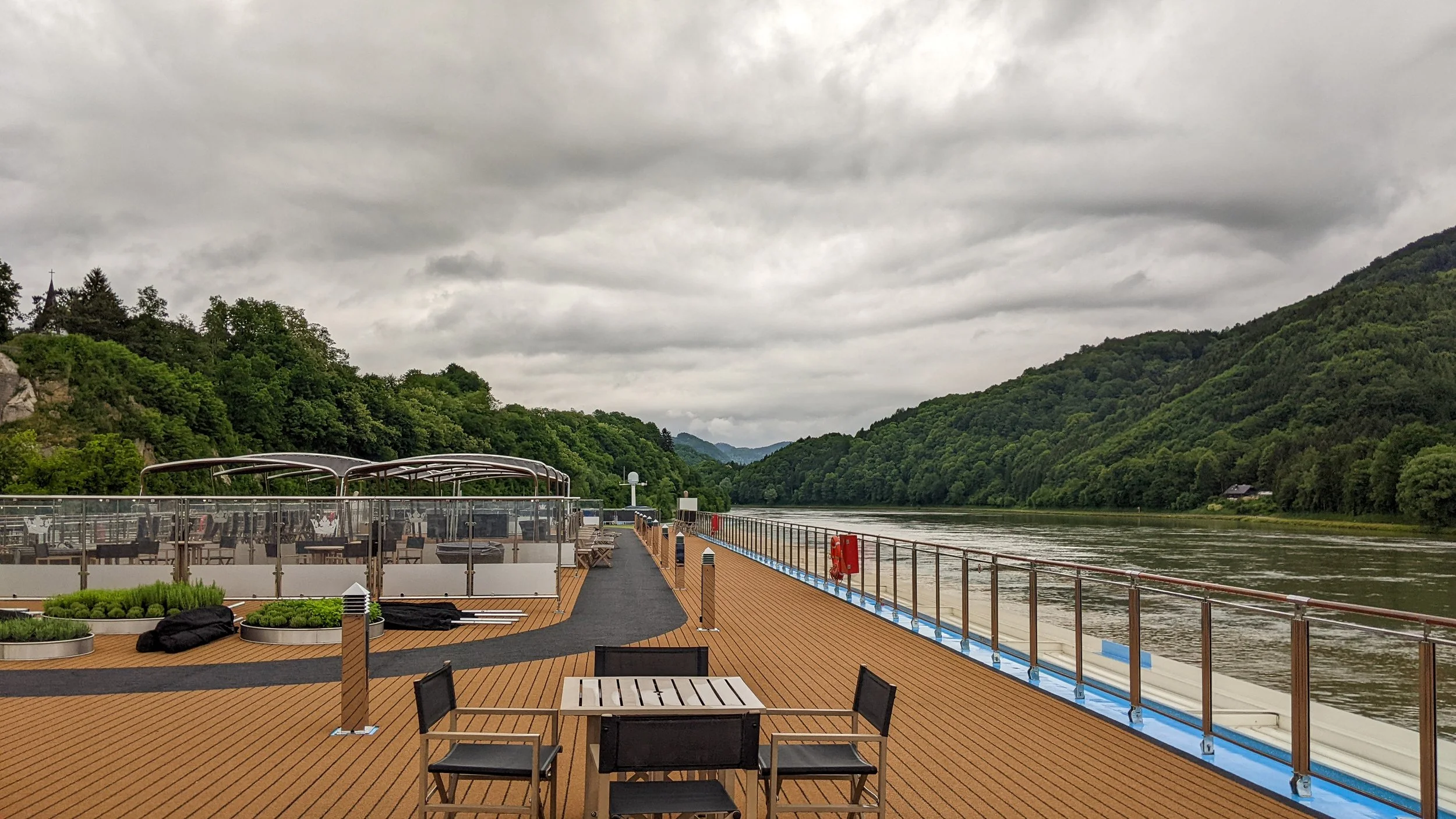
‘The view from the other side of the ceiling.’
If you have spent years in hospitality — hotels, travel, tourism, guiding — you already know the feeling. You work harder than almost anyone around you. You handle situations that would break people who have never stood behind a reception desk at midnight or managed a group of forty tourists in the rain.
And yet the salary stays the same. The days off disappear. The role that was supposed to be a stepping stone starts to feel like the destination.
River cruise management is the other side of that ceiling. The professionals I train typically move from €18,000–25,000 per year in hospitality to €45,000–75,000 as river cruise leaders — working approximately 120 days per year.
Not because the work is easier. Because it is different — and because the skills you already have are exactly what this role is built on.
Here is what a real day looks like. We’re sailing the Wachau Valley on the Danube. Read this before you apply anywhere.
5:30 AM — The River Wakes You Up
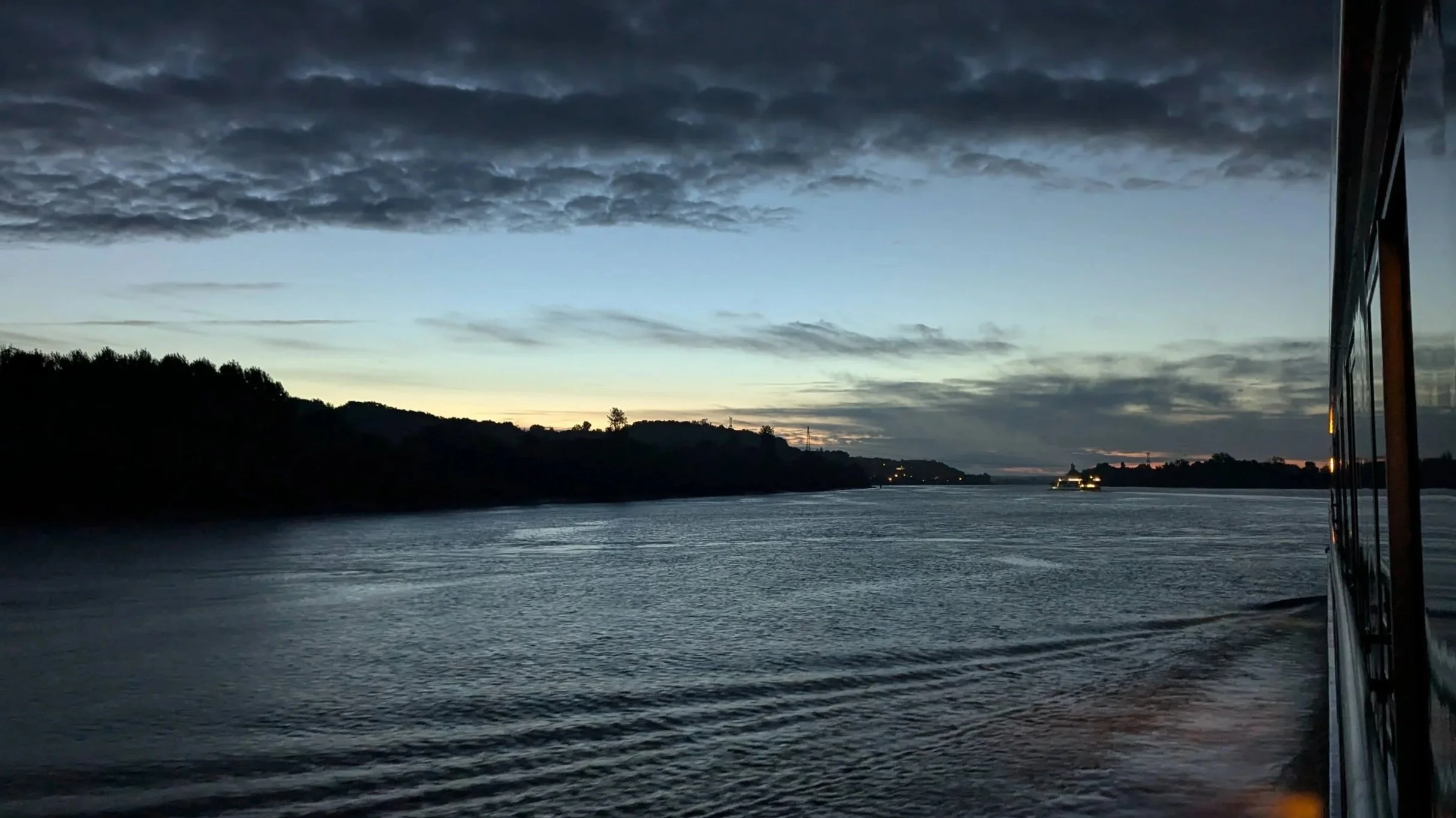
My alarm doesn’t wake me. The river does.
Some mornings it’s the Danube wrapped in a low mist that makes the banks look like a painting no one has touched in five hundred years. Some mornings it’s church bells echoing from a village you’re already gliding past before the rest of the world is awake.
This quiet hour exists for one purpose: to centre yourself before the ship’s rhythm takes over completely.
Because once it starts, it doesn’t pause until 11 PM.
6:45 AM — The Partnership That Actually Runs the Ship
Quick operational sync with the Hotel Manager.
This is one of the most misunderstood relationships in river cruising. From the outside, people assume we do the same job. We don’t.
He runs the hotel: restaurant, cabins, galley, housekeeping. I run the programme: every experience that happens beyond those walls. Two entirely separate roles. One shared goal: a guest experience so seamless it looks effortless.
Neither of us crosses into the other’s lane. That clarity is what keeps the ship working. The moment those lines blur, guests feel it — even if they can’t name it.
7:00 AM — Coffee With the Early Birds
The guests who come down first are always the most interesting.
I join them. Not to manage anything. Just to listen. Travel stories from fifty years of adventures. Someone showing me photos of their grandchildren. Someone quietly celebrating a birthday they haven’t mentioned to anyone else on the ship.
This is Guest Research. It is the foundation of everything I do later in the day.
7:30 AM — Moving Table to Table During Breakfast
Observe. Notice. Collect.
The professor who mentioned Klimt yesterday. The couple on their anniversary who haven’t said so yet but the way they look at each other gives it away. The solo traveller who seemed a little lost during yesterday’s excursion and needs a quiet word before today’s.
These small details become the texture of tonight’s port briefing — what makes 140 guests feel like you are speaking directly to each of them individually.
It is not magic. It is attention, practised daily for 25 years.
8:00 AM — The Invisible Work That Separates Good From Exceptional
While guests finish breakfast, I am at my desk:
• Writing tomorrow’s daily programme — accurate departure times, docking locations, weather notes, zero errors
• Preparing tonight’s port talk on Vienna — not a Wikipedia summary, something personal
• Filing excursion vouchers and reconciling vendor accounts
• Responding to last night’s guest feedback
This is the administrative core of the Cruise Manager role that nobody photographs and nobody talks about in recruitment posts. It is also the work that separates excellent Cruise Directors from average ones.
One wrong departure time in a morning announcement creates a chain of confusion that takes an hour to untangle. I learned this the hard way, in my second week, in front of 150 guests. I have never made that mistake again.
8:30 AM — The Gangway: Where Logistics Become Guest Experience
The hospitality desk opens. The local guides arrive. Nine simultaneous excursion groups need to depart smoothly, on time, and with every guest feeling confident rather than herded.
I brief the guides, cross-check headcounts, coordinate the audio units, and make sure the slower-paced walkers are paired with the right group. Then I join the tours — not to supervise, but to connect, quality-check, and stay close to what guests are actually experiencing.
What you do at 8:30 AM determines what you are dealing with at 12:30 PM.
12:30 PM — Reading Faces at the Gangway Return
When the buses come back, I am there. Not waiting. Reading.
Gauging energy. Reading faces. Intercepting concerns before they reach reception and turn into formal complaints. If a tour was a miss — a local guide who rushed, an abbey that was closed, weather that ruined a walk — I need to know now, while I can still do something about it before tonight.
This is anticipation. Not reaction. The difference between the two is the entire job.
2:00 PM — Scenic Commentary: Where This Role Diverges From Every Other Hospitality Job
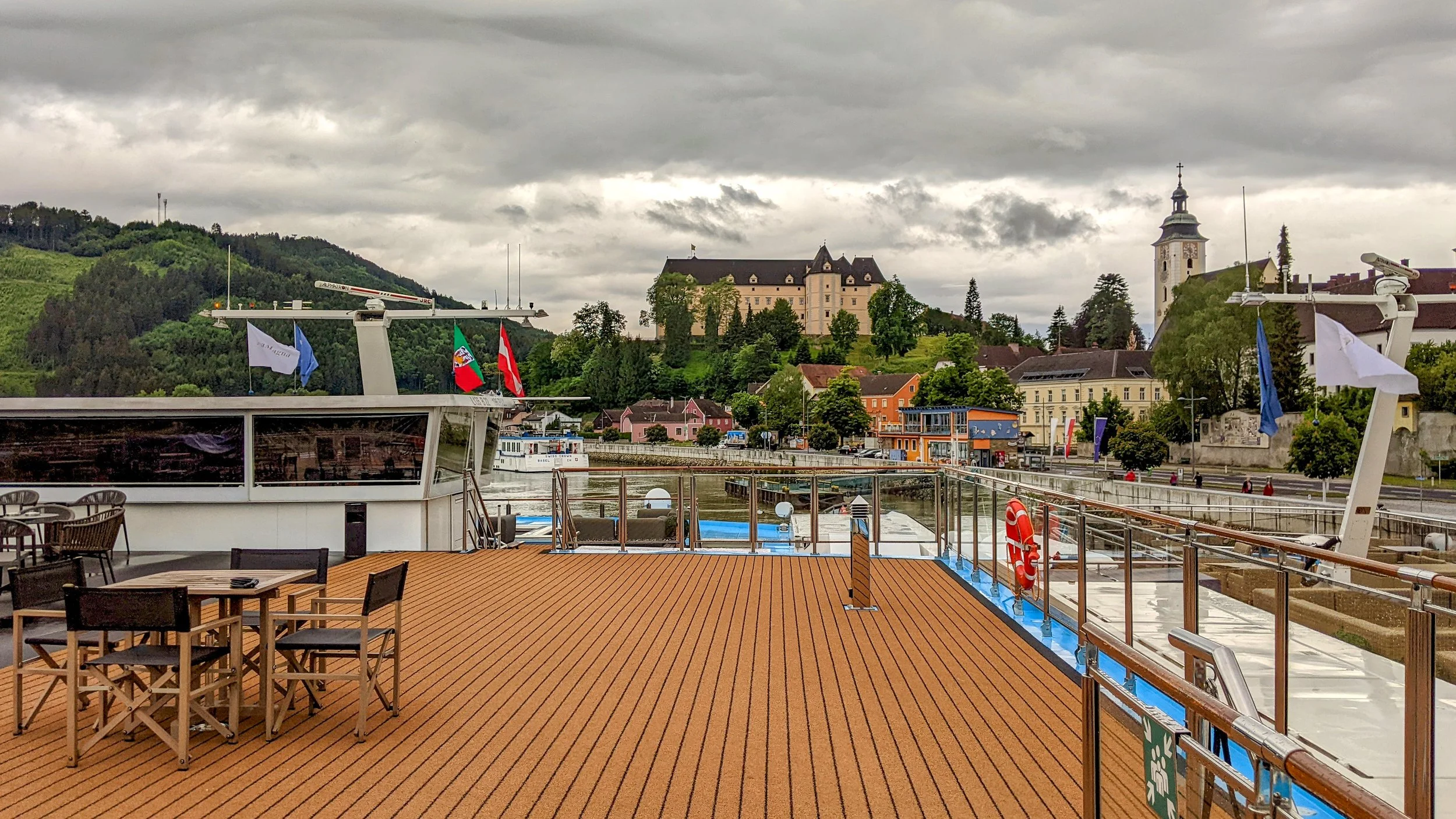
Ninety minutes of live commentary from the sun deck as we cruise through the Wachau Valley.
Aggstein Castle rising from the cliffs. The legend of Richard the Lionheart imprisoned just above the waterline. Apricot orchards and vineyards harvested by hand. Medieval villages that look like they haven’t changed since the twelfth century.
No script. Just history brought to life.
The Hotel Manager oversees the hardware of the ship. I am the software — the voice, the story, the thread connecting what guests see outside the window to something they will still be talking about when they are home.
This is also where the financial reality of the role becomes clear. A Cruise Manager working the European river season — roughly April to November — earns what most hospitality professionals take a full year to earn. Not because the work is glamorous. Because it requires a very specific combination of skills that very few people have been trained to deliver together.
You cannot fake this. You can learn it — the way my 130+ graduates did: through structured preparation, real mentorship, and the specific kind of practice that only comes from being trained for this role, not just for hospitality in general.
[ If you are currently in hospitality or travel and wondering whether this transition is realistic for you — this is where to start: rivercruisementor.com ]
5:00 PM — The Wine Tasting
I host a local producer for a tasting.
Not just pouring glasses — telling the story behind what is in them. The specific valley. The soil type. The family who has worked these particular vines for three generations. When guests can connect a glass of Grüner Veltliner to the vineyard they watched slide past the window two hours ago, a cruise becomes a memory they carry for years.
This is the Cruise Manager’s version of room service. Except it is nothing like room service.
6:45 PM — The Daily Port Briefing: Tomorrow Starts Tonight
Fifteen minutes on a small stage. One hundred and forty guests. One goal: make Vienna feel personal before they have set foot there.
This is the daily port talk — where I walk guests through the next day’s programme. Which museum is actually worth the queue? Which coffee house has the Sachertorte worth the price? What time does the bus leave and why you genuinely do not want to be the person who misses it?
The professor gets his Klimt recommendation. The anniversary couple gets a dinner suggestion they didn’t know they needed. The solo traveller gets a specific, practical plan for the morning.
This is not a reading of the schedule. It is a personalised preview of a day that hasn’t happened yet, delivered in fifteen minutes, for an entire ship.
7:00 PM — Dinner Circulation
I move through the restaurant during dinner service.
Not to manage the waiters — that is the Hotel Manager’s job and I do not cross that line. I am there to host. To connect people. To be the human thread that ties the day’s experiences together over a shared meal. To notice who is sitting alone and whether that is a choice or not.
This is the softest part of the day. It is also not soft at all.
9:30 PM — Setting the Stage, Then Stepping Back
I introduce the evening’s musician — a local classical guitarist — and give guests the context they need to hear the music differently. Then I step back entirely and let the moment belong to them.
A Cruise Manager who makes every moment about themselves has fundamentally misunderstood the role. You are not the experience. You are the architect of it.
10:00 PM — 11:15 PM — The Final Stretch
Review tomorrow’s logistics. Collect performance feedback. Final reports at the hospitality desk.
The river teaches you something every single day. If you are paying attention, you write it down. The Cruise Managers who last 25 years are the ones who never stopped being students of the job.
11:15 PM — Back to the Cabin
A few pages of a good book. Reset.
See you tomorrow.
What This Job Actually Is
After 25 years on these rivers, here is what I know for certain:
River cruise management is not about announcements. It is about anticipation.
It is about the small detail you noticed at breakfast that became the right word at exactly the right moment. It is about being the calm at the centre of a complex, moving operation and making it look effortless to the people who should never see the seams.
The Hotel Manager keeps the ship running.
The Cruise Manager — or Cruise Director, or Program Director, depending on which company you work for — creates the reason guests want to come back.
Two separate roles. Both essential. And a world apart from traditional hotel management.
If you have spent years in hospitality wondering why the ceiling feels so low — the skills you have already built are exactly what this role is looking for. The question is whether you know how to present them, and whether you have the specific river cruise knowledge to back them up.
That is the gap the Academy closes.
Are you working in hospitality, travel, or tourism right now and wondering if this transition is realistic for you?
Drop it in the comments below. I read every one. Or come and find the answers at rivercruisementor.com — I built the Academy for exactly the person reading this sentence right now.
Madalina Caldaruse is the founder of the River Cruise Leadership Academy, a 12-week training programme for hospitality, travel, and tourism professionals transitioning into river cruise leadership — whether that role is called Cruise Manager, Cruise Director, or Program Director depends on the company. The rivers are the same.
🎓 Ready to stop serving other people's adventures and start living your own?
Watch the free webinar: "5 Traits of a Highly Successful River Cruise Leader"
Book a free 30-min 1-1 call with Maddy directly
Maddy Căldărușe
Founder, RiverCruiseMentor.com