Your Career Transformation Begins Here: The First Step is On Us
Claim Your Complete First Lesson Instantly to Experience Our Dedicated Guidance at No Cost.
Lesson 1 - Part 1
Lesson 1 - Part 2
Lesson 1 - Part 3
Chapter 1: River Cruise Industry Overview and Cruise Manager Role
Lesson 1: Evolution of River Cruising
Overview:
Welcome, aspiring Cruise Managers, to your first lesson at the River Cruise Leadership Academy! We're starting our journey together with a foundational topic: the evolution of river cruising. Understanding where we've come from is essential to appreciating where we are today and envisioning where we're headed tomorrow. This isn't just about memorizing dates and facts; it's about understanding the context of your role and the industry you're stepping into. When you know the stories behind the ships you're managing, the destinations you're visiting, and the experiences you're creating, it enriches your perspective. It allows you to connect dots, anticipate trends, and innovate in ways that are grounded in a deep understanding of where we've been and where we're going.
Key Learning Outcomes:
Understand the ancient origins of river travel and trade.
Identify the technological advances that shaped modern river cruising.
Trace the blossoming of luxury river cruising as we know it today.
Recognize key trends and innovations shaping the future of the industry.
Ancient Origins (Pre-19th Century):
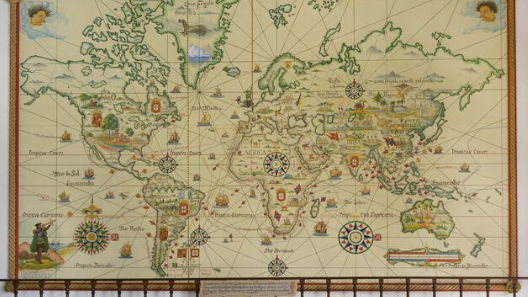
The story of river cruising begins with civilization itself. For millennia, rivers like the Nile, Tigris, Euphrates, Yangtze, Danube, and Rhine served as vital channels for transportation, trade, and cultural exchange. Early boats were primarily functional, transporting goods and people, laying the groundwork for the idea of river travel as a means of connection and exploration.
Technological Transformation (19th Century):
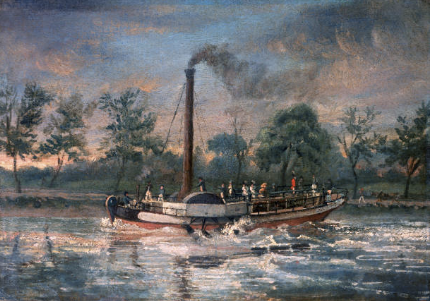
The advent of steam power in the early 19th century revolutionized river travel. Steamboats allowed for larger vessels, faster speeds, and upstream travel against the current, turning rivers into two-way highways. Concurrently, innovations like locks and canals (e.g., the Erie Canal in the US, early European canal systems) made navigation safer and more predictable, setting the stage for passenger travel.
Emergence of Modern River Cruising (1970s-1990s):
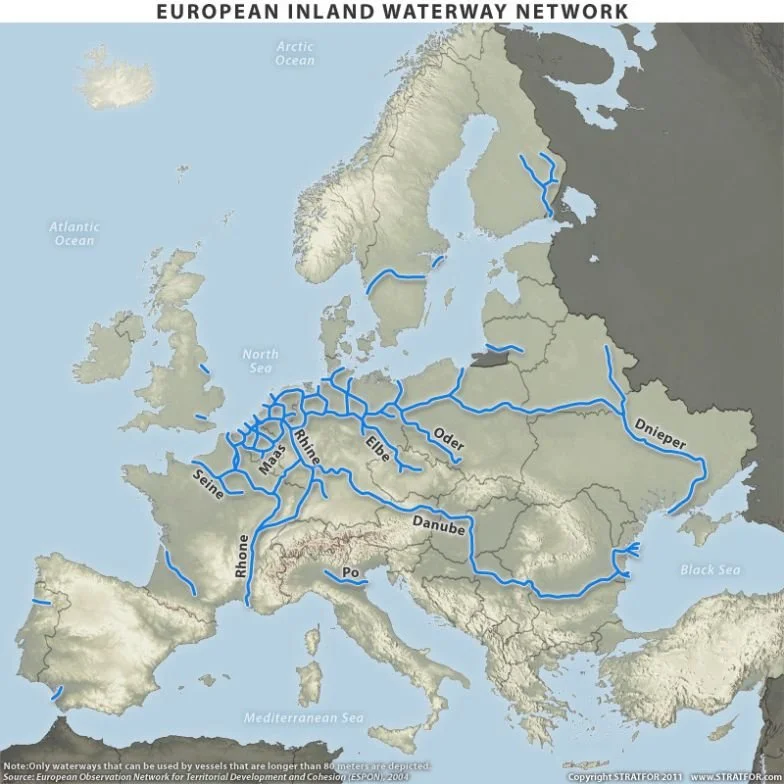
The 1970s and 80s saw the birth of what we recognize as modern river cruising in Europe. Pioneering companies offered leisurely trips, often on converted cargo vessels with basic amenities. A pivotal moment was the opening of the Rhine-Main-Danube Canal in 1992, connecting Europe's main river systems and enabling longer, more varied itineraries from the North Sea to the Black Sea. This engineering feat created a 3,500km continuous waterway, fundamentally changing the industry's possibilities.
Modern Luxury River Cruising (2000-Present):
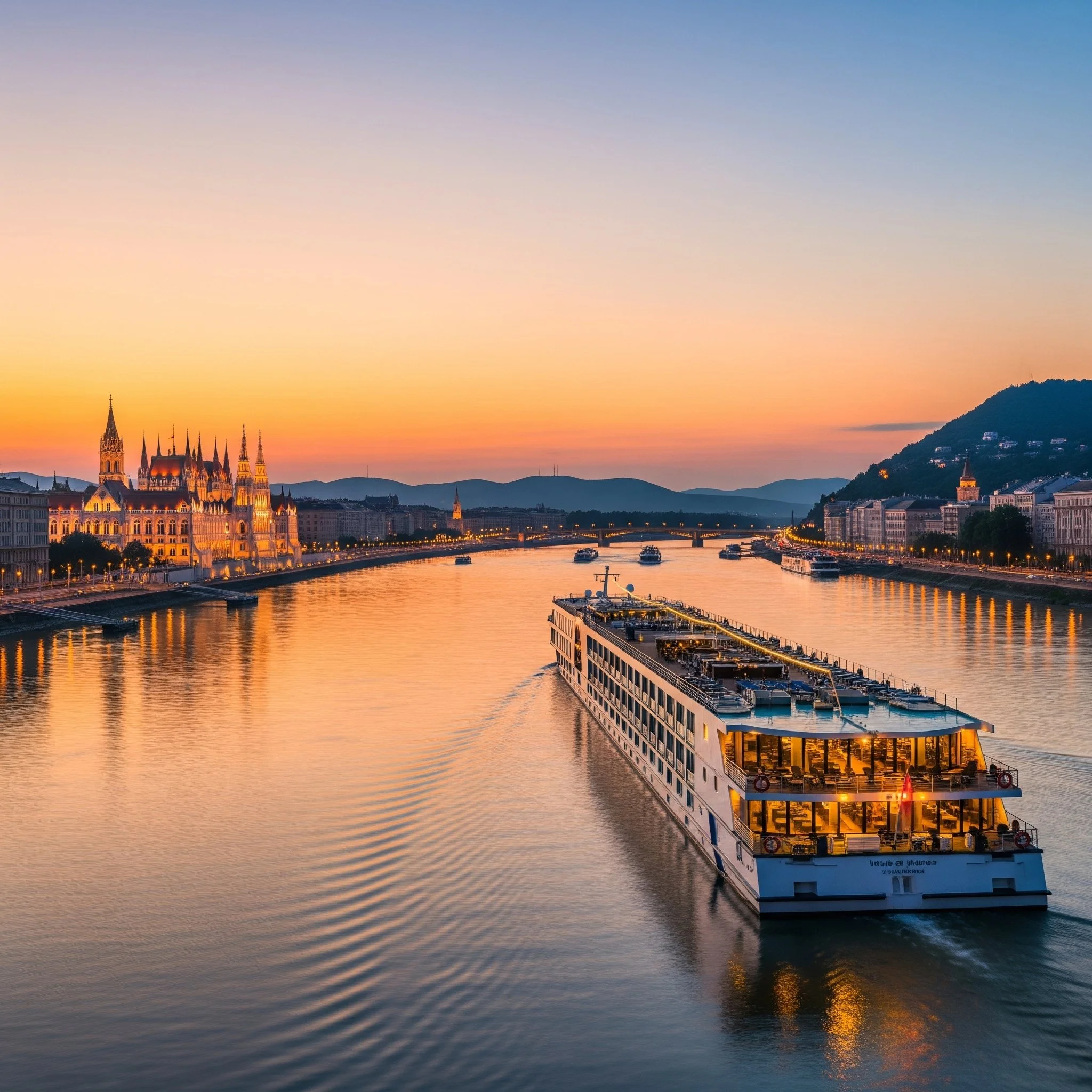
The last two decades have seen a remarkable transformation. Purpose-built riverboats are now floating luxury hotels, boasting spacious staterooms with hotel-style amenities, multiple dining venues, spas, and expansive sun decks. Innovations like French balconies and suite configurations became standard. The focus shifted to immersive, experiential itineraries, connecting guests with the heart and soul of destinations through gourmet dining, expert-led enrichment programs, and bespoke shore excursions. Themed cruises also gained popularity.
The Future of River Cruising (2024-2030): The industry is projected to reach $2.8 billion by 2030, with an expected annual growth rate of 8-12%. Key future trends include:
Sustainability: Increased focus on greener technologies (hybrid/electric propulsion, waste reduction, local sourcing).
Immersive Experiences: Deeper cultural engagement, exclusive access, and personalized connections with locals.
Personalization: Leveraging data and AI for highly customized guest experiences.
Ship Design Innovation: Continuous advancements in flexible cabin configurations, state-of-the-art entertainment, and wellness facilities.
Market Shifts: Potential for new destinations, younger demographics, and adventure-focused itineraries.
As Cruise Managers, you have the opportunity to shape this future through your insights and leadership.
Digital Tools (in the Google Classroom):
River Cruise Evolution Timeline tool: An interactive slider that allows you to explore different eras of river cruising, with pop-up information and images at key dates. This tool helps you visualize the industry's evolution from early paddle steamers to modern luxury vessels, highlighting milestones like the opening of the Main-Danube Canal and the introduction of French balconies.
Assessment (in the Google Classroom):
Quiz: A multiple-choice quiz to test your comprehension of key historical milestones and industry developments.
Short Answer: Explain three ways the Main-Danube Canal changed river cruising in Europe. Describe the evolution of river cruise passenger demographics from the 1990s to today. Identify two major innovations in ship design and explain their impact on the guest experience.
Analysis Question: "Based on the industry evolution we've discussed, predict two major changes we might see in river cruising by 2030. Support your predictions with historical trends and current market indicators."
Supplementary Resources:
Required Reading:
Industry Growth Report 2024: Provides a detailed analysis of the industry's growth trajectory, current market size ($1.6 billion global market value, 11% annual growth), geographic distribution (Europe dominates with 65%), passenger demographics (average age 55+, increasing younger and multi-generational segments), and future projections.
Ship Design Evolution Guide: Explores how river cruise vessels transformed from simple passenger boats into sophisticated floating boutique hotels, detailing changes in hull design, cabin configurations (from fixed windows to full balconies), public spaces, and technical specifications (e.g., length, width, capacity, power systems) across different generations of ships.
Market Demographics Study: Analyzes the evolving demographics of river cruise passengers, including age ranges, income levels, travel experience, booking behaviors, and preferences for different market segments (Traditional Luxury, Active Adult, Family/Multi-Generational, Special Interest).
Additional Materials:
Interactive River Map: An interactive guide to major European river cruise routes, allowing you to select a river (Danube, Rhine, Main, etc.) and view detailed information, key statistics, and major ports.
Ship Comparison Tool: Helps you visualize and compare features across different generations of river cruise ships, including dimensions, capacity, cabins, dining, amenities, and technology.
Future Trends Whitepaper: Analyzes emerging trends and future developments in the river cruise industry, focusing on technology (smart ship integration, AI-powered navigation), sustainability (electric/hybrid engines, waste management), guest experience (personalization, immersive activities), and market evolution.
Reflection/Action Prompt:
Consider the kind of river cruise experience you would design for yourself. What destinations would you choose? What activities and amenities would be most meaningful to you? What special touches would make it truly extraordinary? Envisioning your ideal river cruise can help you empathize with your guests' diverse needs and desires, and inspire you to craft experiences that exceed their expectations.
Congratulations on completing Lesson 1!
You've experienced the quality and strategic depth of our guidance. Your €45,000+ salary, 200+ days home, and complete career confidence are ready for you inside the full R.I.V.E.R. Method™ Academy.
Proceed now to secure the complete blueprint for your success and unlock this unique, life-changing opportunity.
Not Ready to Enroll Today?
If you require further clarity or confidence, we invite you to book a complimentary, private 1-on-1 consultation with Maddy.
Experience her renowned professionalism directly and discuss your career goals to ensure this is the perfect next step for you.